

Tire Center
Shop Mercedes-Benz Tires in El Cajon, CA
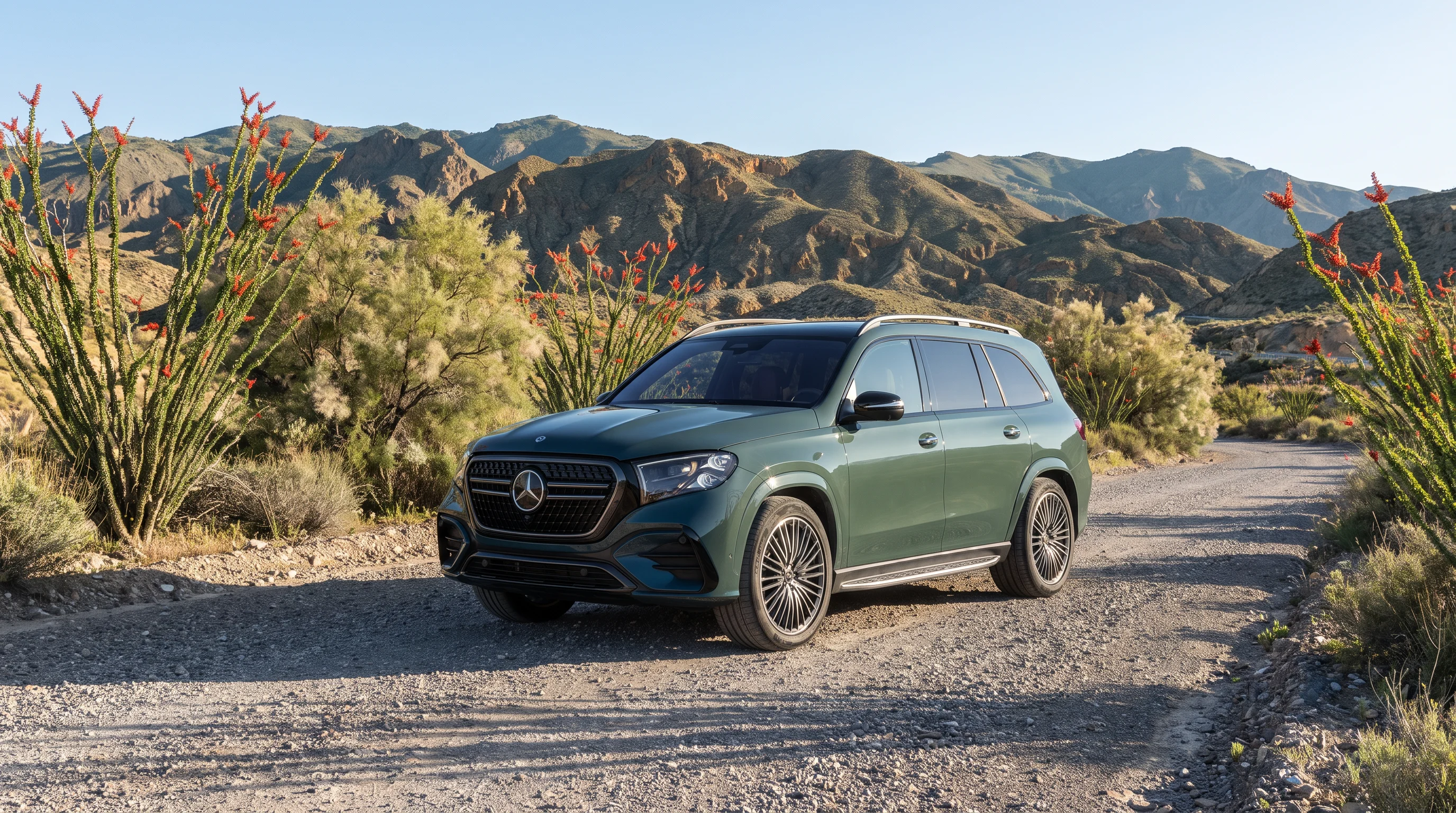
Nobody knows your Mercedes-Benz better than our service advisors and factory-trained technicians. At Mercedes-Benz of El Cajon, you can shop Mercedes-Original (MO) tires online, then have them installed at our service center on Wagner Drive. Many tires will fit your wheels, but not all were engineered for your Mercedes-Benz. Drivers from La Mesa, Santee, Bonita, Chula Vista, and San Diego can count on tires made for their model.
Shop Online, Install in El Cajon
Browse Mercedes-Original tires in the Mercedes-Benz Tire Center. Once you find the right set, schedule installation online or call our service team at (888) 837-5892.
Why Choose Mercedes-Original Tires?
Mercedes-Benz says MO tires are developed, tested, and adapted to individual Mercedes-Benz models. They’re designed to work in harmony with your suspension and driving-safety systems for safer braking, hydroplaning resistance, low rolling resistance, precise handling, and comfort.
Mercedes-Original Tire Designations
| Designation | Built For | What It Means |
|---|---|---|
| MO (Mercedes-Original) | Individual Mercedes-Benz models | Developed, tested, and adapted to your specific model |
| MO1 | Mercedes-AMG vehicles | Rubber mixture and carcass structure matched to the AMG suspension |
| MOE (Mercedes-Original Extended) | Run-flat fitments (TPMS required) | Reinforced sidewalls help you keep control after pressure loss and reach a safe place |
| MOS (Mercedes-Original Silent) | Select S-Class models | Foam insert for optimized noise characteristics |
| MO Vans | Mercedes-Benz vans | Adapted to van driving dynamics |
Why Buy Tires at Mercedes-Benz of El Cajon?
The Right Tires for Your Model
Tires matched to your Mercedes-Benz model.
Competitive Tire Prices
Competitive pricing from our El Cajon tire center.
Expert Installation
Installed by our factory-trained technicians.
All Major Brands
Continental, Michelin, Pirelli, Dunlop, and more.
Road Hazard Coverage Included
New tires are an investment, and Road Hazard coverage helps cover the cost to replace a damaged tire. We include it at no extra charge on eligible tire purchases, including MO tires.
Our team also handles tire repair, tread checks, and tire pressure checks. Learn why tire balancing matters when new tires go on.
When Is It Time for New Tires?
NHTSA says tires are not safe once tread wears to 2/32 of an inch. Use the checklist below to spot the warning signs. Learn more about how tire tread affects your car.
To check a tire’s age, read the last four digits of the tire identification number on the sidewall. They show the week and year the tire was made.
Tire Replacement Checklist
| Check | Time for New Tires When |
|---|---|
| Tread depth | Tread is worn to 2/32 of an inch |
| Treadwear indicators | Tread is level with the raised indicator bars |
| Penny test | With Lincoln’s head upside down, you can see the top of his head |
| Sidewalls | You see cuts, cracks, or bulges |
| Ride quality | You notice vibration or noise (have the tires checked) |
| Tire age | Some vehicle and tire makers recommend replacement at six to 10 years old, regardless of tread |
The information in this article is general guidance and does not constitute a specific diagnostic or repair recommendation for any individual vehicle. Repair and maintenance decisions should be made in consultation with a certified technician based on the specific condition of your vehicle.
Will Non-Mercedes-Benz Tires Void My Warranty?
No. The FTC says your warranty stays in effect if you use aftermarket parts. Coverage can be denied for damage a part causes, but the manufacturer must prove the part caused it. Mercedes-Benz does not warrant non-Mercedes-Benz parts themselves. The Mercedes-Benz New Vehicle Limited Warranty covers tire defects for 12 months/12,000 miles from delivery. The tire maker’s own warranty may last longer.
This information is provided for general educational purposes only and does not constitute legal advice. Warranty coverage depends on the specific terms of your vehicle’s warranty agreement. Consult your owner’s manual or a qualified legal professional for guidance on your individual situation.
Mercedes-Benz Tire FAQs
What is the difference between MO and MOE tires?
MO tires are developed, tested, and adapted to individual Mercedes-Benz models. MOE tires are the run-flat version. Their reinforced sidewalls help you keep control after you lose pressure. They let you reach a safe place to repair or change the tire. Mercedes-Benz says MOE tires must be used with a tire pressure monitoring system.
Does Mercedes-Benz Roadside Assistance help with a flat tire?
Yes. Call 1-800-367-6372 for help with a flat, a jump-start, or fuel. If needed, Roadside Assistance arranges towing to the nearest Mercedes-Benz dealer at no charge. The service is complimentary for eligible vehicles. That includes vehicles under a New Vehicle Limited Warranty, Extended Limited Warranty, or Certified Pre-Owned Warranty. See our Roadside Assistance page for details.
Where do I find the right tire pressure for my Mercedes-Benz?
Check the Tire and Loading Information label on the driver’s side door edge. The pressures are also in your owner’s manual. NHTSA notes that the correct pressure is the one your vehicle manufacturer lists, not the number on the tire itself.
The information in this article is general guidance and does not constitute a specific diagnostic or repair recommendation for any individual vehicle. Repair and maintenance decisions should be made in consultation with a certified technician based on the specific condition of your vehicle.
Disclaimers
The information in this article is general guidance and does not constitute a specific diagnostic or repair recommendation for any individual vehicle. Repair and maintenance decisions should be made in consultation with a certified technician based on the specific condition of your vehicle.
This information is provided for general educational purposes only and does not constitute legal advice. Warranty coverage depends on the specific terms of your vehicle’s warranty agreement. Consult your owner’s manual or a qualified legal professional for guidance on your individual situation.