

OEM vs. Aftermarket Parts: What Mercedes-Benz Owners Need to Know
Whether you drive a Mercedes-Benz sedan, SUV, or performance model, understanding the difference between OEM and aftermarket parts is essential for making informed maintenance and repair decisions. The team at Mercedes-Benz of El Cajon answers the most common questions from owners in El Cajon, Bonita, Santee, and the surrounding San Diego area.
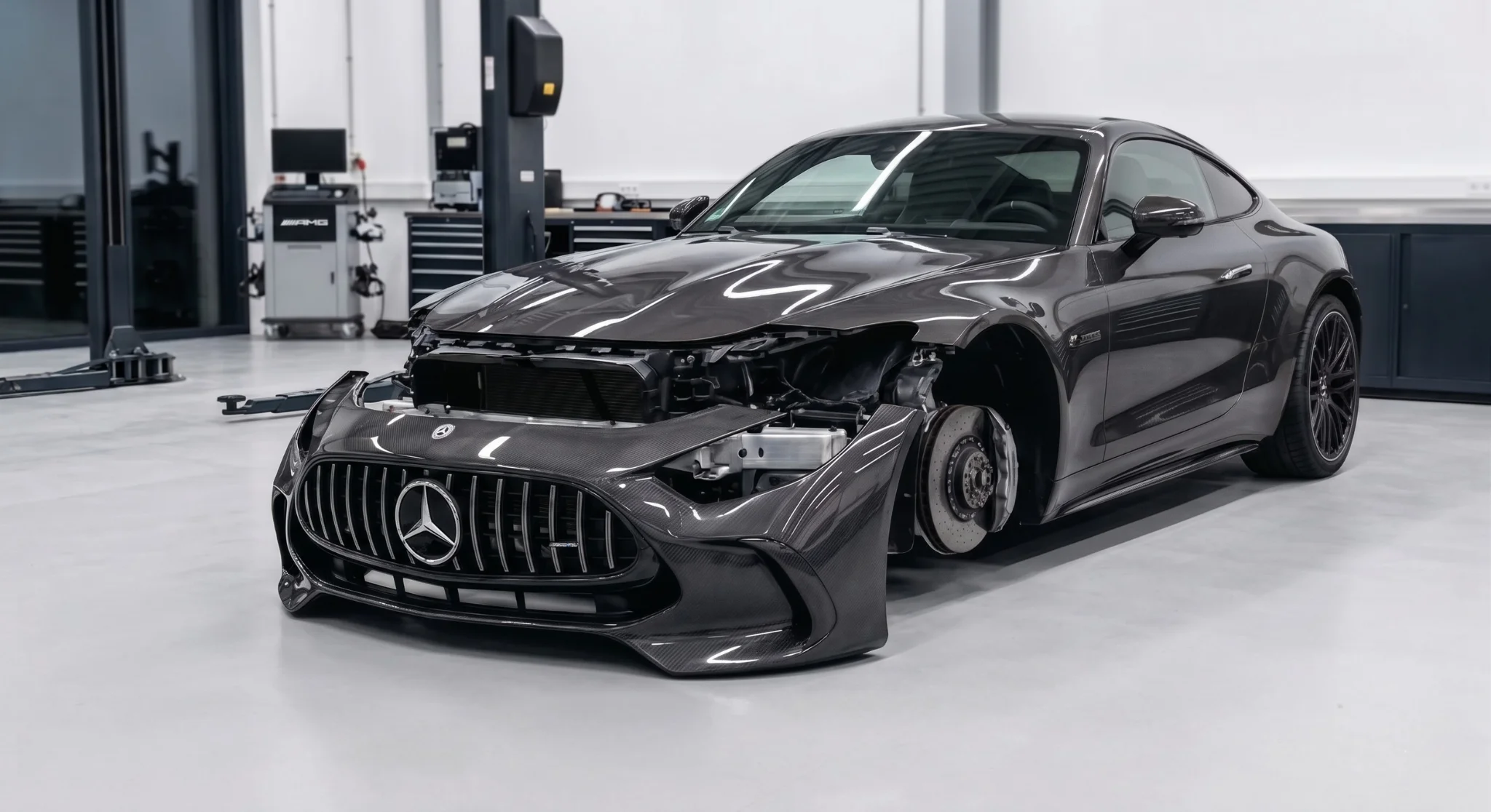
What Are the Fundamental Differences Between OEM and Aftermarket Parts?
At the core, the key distinction lies in the origin of the parts. OEM, or Original Equipment Manufacturer parts, are components produced by the same manufacturer or its authorized suppliers that made the parts originally installed on your Mercedes-Benz when it was built. These parts are designed to meet the exact specifications and standards set by Mercedes-Benz, ensuring a precise fit and optimal performance.
Aftermarket parts are produced by third-party companies not affiliated with the automaker. These parts are intended to be compatible with a range of vehicles, sometimes covering multiple makes and models. The variety in aftermarket parts is vast — some manufacturers invest heavily to produce parts that match or even exceed OEM quality, while others may offer more budget-friendly options with compromises in material or durability. This variability means that cost-effective repairs using aftermarket parts can be appealing, but careful selection is essential to avoid issues down the line.
One of the most important factors to consider is quality control. OEM parts undergo rigorous testing and adhere to strict manufacturing tolerances. This consistency translates into better integration with your vehicle’s systems, which is particularly crucial for a luxury brand like Mercedes-Benz, where precision engineering is a hallmark. Aftermarket parts can vary widely depending on the brand and manufacturer’s quality standards. Some aftermarket companies reverse-engineer OEM parts to improve on design flaws or add enhanced features, but others might cut corners to reduce costs.
The availability and selection are also quite different. OEM parts are typically sourced directly from authorized dealerships like Mercedes-Benz of El Cajon, ensuring you receive genuine components backed by manufacturer warranties. This can mean higher costs and sometimes longer wait times for less common parts. In contrast, aftermarket parts are often more readily available through various suppliers and may offer a broader range of options, including performance upgrades not offered by OEM.
Another aspect where the distinction becomes crucial is fit and finish. OEM parts are guaranteed to match the exact aesthetics and mechanical specifications of your vehicle’s original components, which is especially important for exterior body panels or interior trim. Aftermarket parts may sometimes show subtle differences in appearance or fit, which can affect the overall look and function of the vehicle.
Finally, warranty and service support plays a significant role. Genuine Mercedes-Benz parts come with a 24-month, unlimited-mileage warranty when purchased from an authorized dealership — a level of coverage that most aftermarket parts cannot match. The Parts Department at Mercedes-Benz of El Cajon can help you understand these details and guide you toward choices that align with your needs and expectations.
Quality
OEM parts meet exact factory specifications and testing standards.
Warranty
Genuine MB parts carry 24-month, unlimited-mileage coverage.
Precision Fit
Guaranteed to match original aesthetics and mechanical specs.
OEM Backed
Sourced from authorized dealerships with full manufacturer support.
How Do Aftermarket Parts Affect Your Vehicle’s Warranty?
A common concern among vehicle owners is whether installing aftermarket parts will void their vehicle’s warranty. Under federal law — specifically the Magnuson-Moss Warranty Act — using aftermarket components does not automatically invalidate your warranty. This law protects consumers by preventing manufacturers from denying warranty claims simply because a non-OEM part was used during repairs or maintenance.
That said, there are important nuances. If an aftermarket part is defective or improperly installed and directly causes damage to another component covered by your warranty, the manufacturer or dealership can deny coverage for the related repairs. In such cases, they must provide clear evidence that the aftermarket part was the cause of the failure. For Mercedes-Benz owners, this means that while you have flexibility in choosing parts, it is essential to rely on high-quality aftermarket options and professional installation to avoid potential issues.
Choosing genuine OEM parts can simplify warranty considerations and ensures optimal performance tailored to your vehicle. For those looking to balance cost and quality, reputable aftermarket parts can be a viable alternative without jeopardizing warranty coverage — provided they meet the necessary standards.
Always communicate openly with the service professionals at Mercedes-Benz of El Cajon to ensure that any parts used — OEM or aftermarket — are compatible and installed correctly, preserving your vehicle’s integrity and warranty benefits.
Why Is Your Vehicle’s VIN Essential for Accurate Parts Lookup?
Using your Vehicle Identification Number (VIN) is crucial for ensuring the precise identification of parts compatible with your specific Mercedes-Benz. Unlike searching by general year, make, and model alone, the VIN serves as a unique identifier for your vehicle, helping technicians look up your exact build configuration — including engine type, transmission, and production details — so they can source the specific parts your vehicle requires.
Two vehicles of the same model and year can have different engine configurations or suspension setups depending on options and trims. Relying solely on the year and model can lead to ordering parts that are technically correct for the model but incompatible with your vehicle’s exact specifications. This mismatch can cause installation issues, premature wear, or even compromise safety systems.
The VIN lookup also streamlines the ordering process by eliminating guesswork and reducing the risk of delays caused by incorrect parts shipments. The Parts Department at Mercedes-Benz of El Cajon leverages VIN information to quickly locate genuine OEM components designed specifically for your vehicle, ensuring quality, reliability, and warranty compliance.
Why Are Aftermarket Parts Generally Less Expensive Than OEM Components?
The cost difference between aftermarket parts and OEM components can be attributed to several key factors. Primarily, aftermarket parts benefit from competitive manufacturing environments. Unlike OEM parts, which are produced under strict specifications for a specific vehicle brand, aftermarket manufacturers often produce parts compatible with a wider range of vehicle makes and models. This broader market allows them to achieve economies of scale and lower per-unit costs.
Another significant contributor to lower prices is the absence of the brand premium that OEM parts carry. OEM components come with the assurance of the vehicle manufacturer’s name and strict quality controls, which adds to their production and retail costs. Aftermarket parts can vary widely in quality and are often produced by multiple companies competing on price. However, this price advantage can sometimes mean compromises in material quality or precision engineering — something Mercedes-Benz owners should carefully consider when opting for non-OEM parts.
The distribution channels for aftermarket parts also tend to be more diverse and less centralized. These parts can be sold through numerous outlets — from local auto shops to large chains and online retailers — allowing for more competitive pricing and accessibility. OEM parts are typically sold through authorized dealerships, such as Mercedes-Benz of El Cajon, which maintain tighter control over pricing and inventory.
Lastly, the research and development expenses associated with OEM parts are factored into their cost. OEM manufacturers invest heavily in designing parts that precisely match your vehicle’s specifications, ensuring reliability, safety, and performance. Aftermarket producers may not incur the same R&D costs, especially when reverse-engineering existing parts.
While aftermarket parts can offer substantial savings, weigh these financial benefits against potential impacts on fit, finish, and long-term durability. The team at the Mercedes-Benz of El Cajon Parts Department can help you evaluate your options for assured quality and compatibility.
Have Questions About Parts?
Our Parts Department specialists can help you find the right components for your Mercedes-Benz.
What Should You Consider When Bringing Your Own Parts to a Repair Shop?
Bringing your own parts to a repair shop can seem like an effective way to save money, but there are important factors to weigh. First, the quality and compatibility of the parts you provide must meet or exceed the manufacturer’s specifications. Using parts that do not match your vehicle’s exact make and model, especially for a precision-engineered brand like Mercedes-Benz, can lead to installation challenges, improper fit, or even damage to other components.
It is also crucial to communicate upfront with your repair technician or service advisor. Not all shops accept customer-supplied parts due to liability concerns, warranty policies, or installation guarantees. When a shop installs parts they did not supply, they might limit their warranty on labor or refuse to cover future issues stemming from those parts. This is especially relevant for complex systems where specialized tools or calibration might be required.
Additionally, consider the source and authenticity of the parts you intend to bring. Genuine OEM parts from trusted suppliers ensure optimal performance and durability, while aftermarket or used parts vary in quality. At Mercedes-Benz of El Cajon, we recommend sourcing parts directly from our Parts Department to guarantee authenticity and compatibility tailored precisely for your vehicle.
What Is the Difference Between Remanufactured and Refurbished Parts?
Remanufactured parts undergo a comprehensive restoration process where a used component is completely disassembled, cleaned, and rebuilt with new or reconditioned parts to meet original factory specifications. This process often includes rigorous testing to ensure functionality and reliability comparable to brand-new parts.
Refurbished parts, on the other hand, are typically repaired or cosmetically restored without a full teardown and rebuild. They may have some worn components repaired but do not necessarily meet the same stringent testing and quality standards of remanufactured parts.
For Mercedes-Benz owners, choosing remanufactured parts can offer a balance between cost savings and assured quality, especially when genuine OEM parts are costly or unavailable. It is important to source these parts from reputable suppliers to avoid performance or durability issues. We always recommend genuine or remanufactured parts from trusted sources to maintain optimal performance and warranty compliance.
What Warranty Coverage Comes with Replacement Car Parts?
The warranty on replacement car parts serves as a guarantee of quality and reliability for a specified period, often covering both the part itself and installation labor. Genuine Mercedes-Benz parts purchased through an authorized dealership come with industry-leading warranty coverage:
| Part Category | Warranty Period |
|---|---|
| General Parts | 24 months / unlimited mileage |
| Transmissions | 24 months or 24,000 miles |
| Engines & Long Blocks | 48 months or 50,000 miles |
This coverage means that if a genuine part fails due to manufacturing defects or premature wear within the warranty period, it will be repaired or replaced at no additional cost.
Aftermarket parts warranties vary widely — some match or exceed these terms, but many are shorter or less comprehensive. It is crucial to verify warranty terms before purchasing to avoid surprises.
To explore genuine parts options or discuss warranty details, contact the Parts Department at Mercedes-Benz of El Cajon at (888) 837-5892 or visit us at 1111 Wagner Drive, El Cajon, CA 92020.
Mercedes-Benz Parts and Service Resources
Find genuine parts, schedule maintenance, or explore our full service library.
Parts Department
Browse genuine Mercedes-Benz parts and accessories, or contact our team for expert guidance.
Schedule Service
Book your next maintenance or repair appointment with our certified Mercedes-Benz technicians.
Service & Parts Hub
Explore our full library of service tips, maintenance guides, and parts resources.